How to Use Apple Cider Vinegar
Apple cider vinegar should always be diluted with water. The simplest and most popular ratio is 1–2 teaspoons per glass of water (200–250 ml).
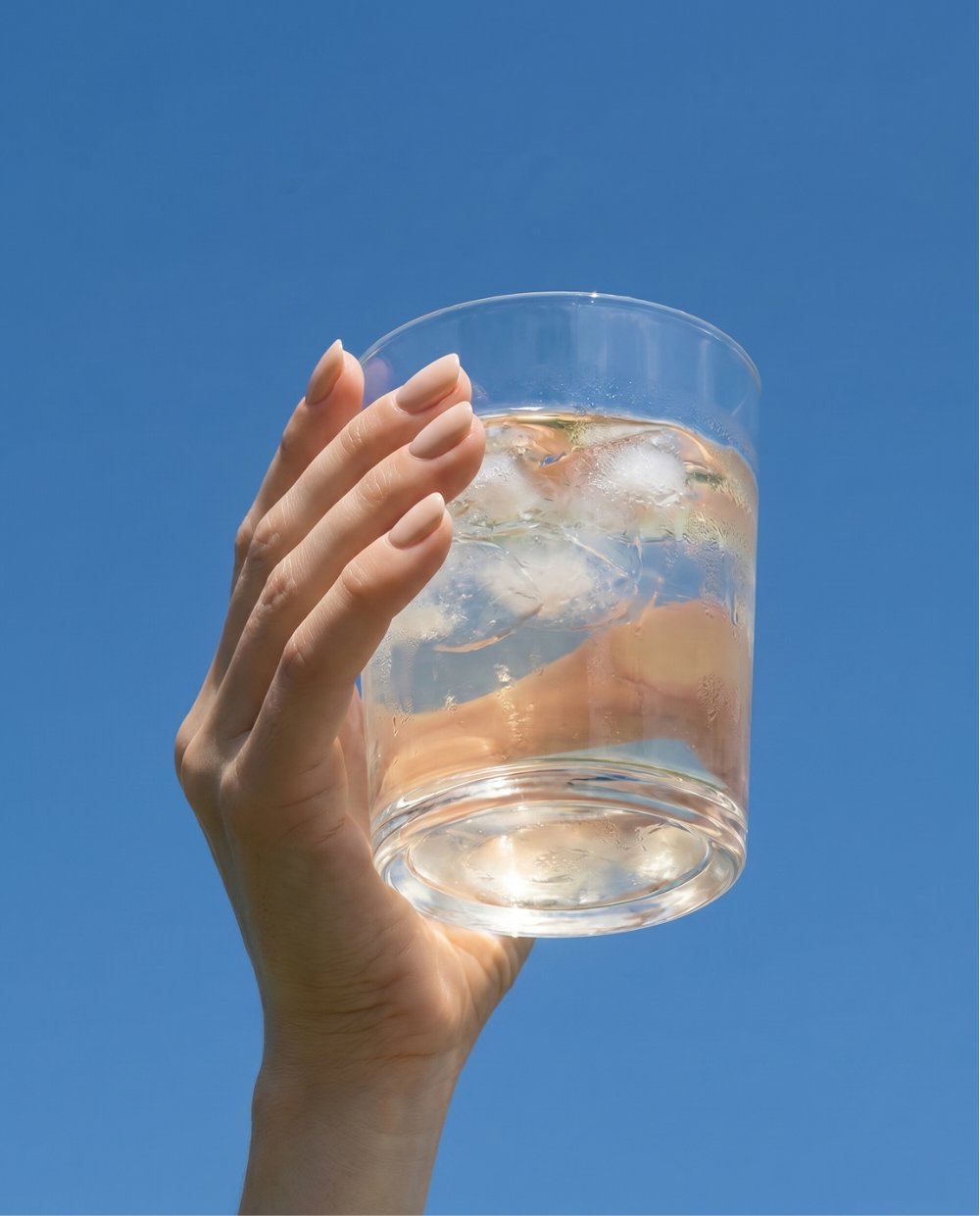
If you are just starting out, try 1 teaspoon. If the flavour seems too mild, gradually increase to two. Apple cider vinegar can be drunk in the morning, throughout the day, or used to make homemade drinks and salad dressings. The main rule: never take it neat.
How to dilute apple cider vinegar
These ratios work well for most people:
| Mild flavour | 1 tsp per 250 ml of water |
|---|---|
| Classic | 1–2 tsp per 200–250 ml of water |
| With honey | 1 tsp vinegar + 1 tsp honey per glass of water |
Slightly cool or room-temperature water works best. Boiling water is unnecessary — it dulls the flavour and aroma of natural apple cider vinegar.
When to drink it
There are no strict rules. Some people prefer to drink apple cider vinegar water in the morning, others 10–15 minutes before a meal, and still others add it to drinks or use it only in cooking.
Choose whatever feels comfortable for you. The key is always to dilute and to stay moderate.
Other ways to use apple cider vinegar
You don't have to drink it with water only. It works brilliantly in:
- homemade lemonades;
- shrubs;
- switchels;
- salad dressings;
- marinades;
- sauces.
In many cases the flavour of natural apple cider vinegar actually comes through best when it's part of a dish or drink.
What not to do
- Don't drink apple cider vinegar neat.
- Don't exceed the recommended amounts.
- Don't dilute it with boiling water.
- Don't brush your teeth immediately after — wait about 30 minutes to reduce the effect of acid on your enamel.
When to be cautious
Apple cider vinegar is an ordinary food product, but it doesn't suit everyone.
Take extra care if you have:
- gastritis, peptic ulcer, or other stomach conditions;
- pronounced heartburn or heightened stomach sensitivity;
- oesophageal conditions or a doctor's recommendation to limit acidic foods.
If you notice burning, stomach pain, or any other discomfort after consuming apple cider vinegar, stop using it and consult a doctor if needed.
Even without contraindications, listen to your own body: start with a small amount (1 teaspoon per glass) and find the ratio that feels right for you.
Why quality matters
The flavour and aroma of the drink depend heavily on the vinegar itself.
Unfiltered, unpasteurized Alma+Ferm apple cider vinegar retains the natural flavour of the apples and the products of natural fermentation, so it tends to be richer in taste than clarified commercial vinegar. Because of this, you often need less of it when making drinks and dishes.
To understand more about what makes this kind of product special, we recommend reading What Makes Unfiltered Apple Cider Vinegar Different and What Is Apple Cider Vinegar with Mother.
Living Apple Cider Vinegar by Alma+Ferm
Unfiltered and unpasteurized apple cider vinegar from clean-grown Almaty apples. Available in Classic, Lemon & Ginger, and Fire — Spicy.
Frequently asked questions
What ratio should I use to dilute apple cider vinegar?
The standard ratio is 1–2 teaspoons per glass of water (200–250 ml). Start with 1 teaspoon. Living unfiltered vinegar is richer in flavour than commercial vinegar, so you often need less.
Can you drink apple cider vinegar undiluted?
No. Undiluted acid irritates tooth enamel, the mouth, and the oesophagus. Always mix vinegar with water or use it as part of a dish or drink.
When is the best time to drink apple cider vinegar water?
There are no strict rules. Most people drink it in the morning or 10–15 minutes before a meal — but it comes down to personal comfort. Choose whatever timing suits you.
Which vinegar should I choose for drinking?
Look for unfiltered, unpasteurized vinegar with a living mother culture: it is richer in flavour and aroma.